Unlocking the Secrets of Reading: The Five Key Components
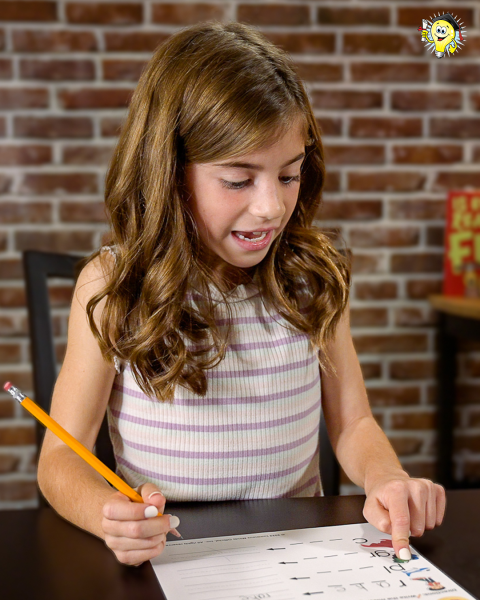
Through decades of research and studies conducted worldwide in multiple languages, the National Reading Panel identified five key components necessary to effectively teach young children how to read. Each component plays a crucial role in developing reading skills. Teachers, educators, and parents who understand and effectively teach using these components significantly increase reading outcomes for their students and children. Below, we’ve summarized each component and shared links to our research-based, standard-aligned resources that complement each component.
1. Phonemic Awareness
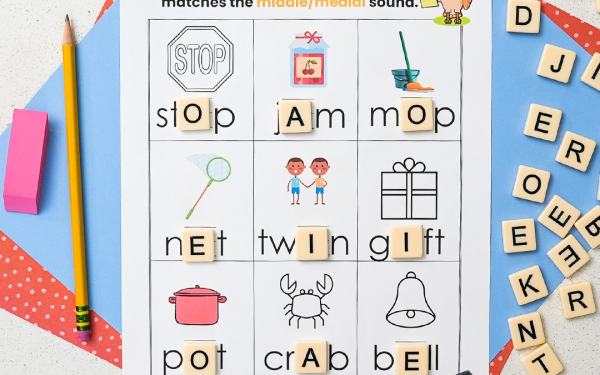
Phonemic awareness is the ability to hear, identify, and manipulate individual sounds (phonemes) in spoken words. It is the foundation for learning phonics and is crucial for developing reading and spelling skills.

2. Phonics
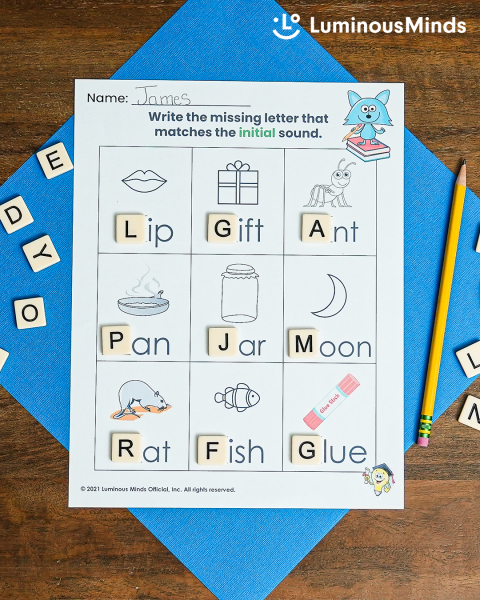
Phonics involves teaching the relationship between sounds (phonemes) and their written symbols (graphemes). This component helps children decode words, making it easier for them to read and spell.
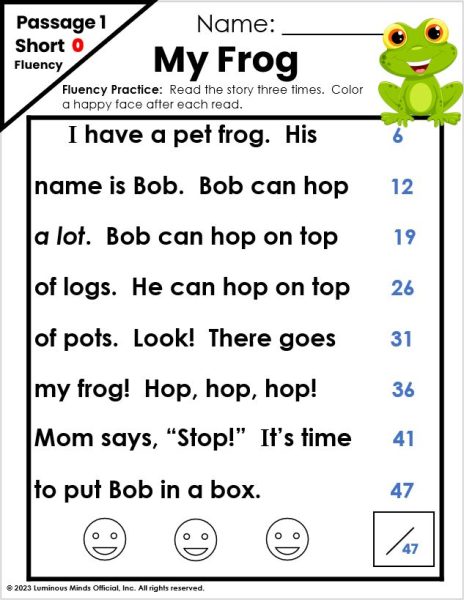
3. Fluency
Fluency is the ability to read text accurately, quickly, and with proper expression. Fluent readers can focus on understanding the text rather than decoding individual words, which enhances comprehension.
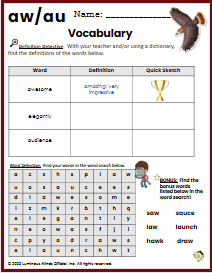
4. Vocabulary
Vocabulary refers to the words children need to know to communicate effectively. A strong vocabulary improves all areas of communication, including listening, speaking, reading, and writing.
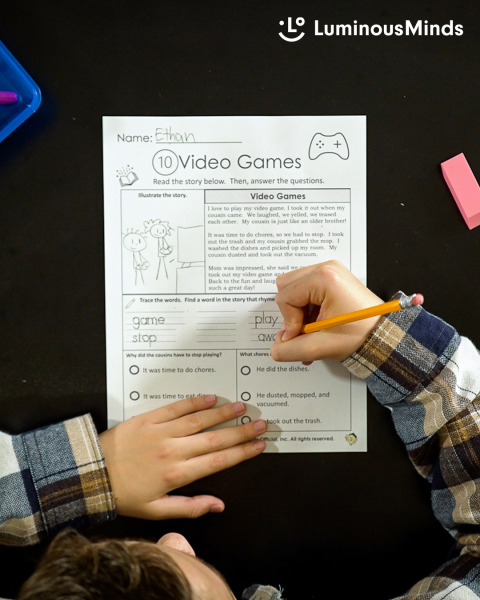
5. Comprehension
Comprehension is the ability to understand and gain meaning from what has been read. It is the ultimate goal of reading and involves thinking critically about the text, making connections, and drawing inferences.
Explore our library of credible resources to support each of these essential components and help foster a lifelong love of reading in your students and children.