Multisensory Learning Meets Structured Literacy

When it comes to structured literacy, multisensory learning stands out as a transformative approach that significantly enhances reading development and learning for children. By engaging multiple senses through auditory, visual, and kinesthetic activities, multisensory learning creates a richer and more effective educational experience. Integrating multimodal activities into science-of-reading aligned lessons not only fosters a deeper understanding of foundational skills but also promotes overall cognitive and physical development.
Why it Helps…
Multisensory Engagement:
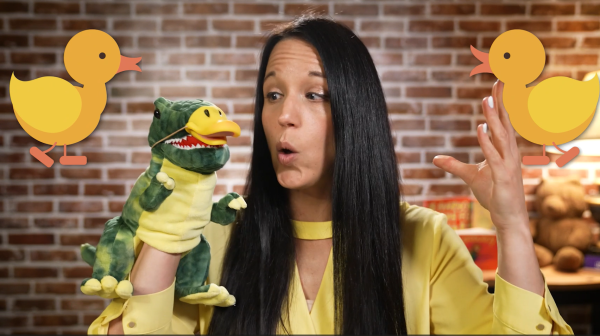
Combining movement with auditory and visual learning engages multiple senses, significantly improving retention and understanding. When teaching letter sounds and phonics patterns, incorporating a simple body movement for each sound (phoneme) strengthens neural connections.
Ex: While learning the letter sound for /q/, encourage children to make their hand like a duck bill quacking as they say /q/. This multisensory approach helps solidify the association between the sound and the movement, making it easier for children to remember and recall the phoneme.
Kinesthetic Learning:

Many children are kinesthetic learners who benefit from physical activity. Movement can help these learners process and remember information more effectively.
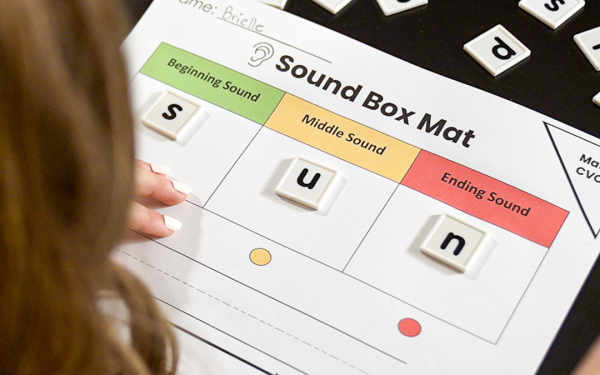
Explore learning mats and hands on activities.
Development of Motor Skills & Increased Motivation:

Incorporating movements helps develop fine and gross motor skills, which are crucial for overall physical development and can support other learning activities, like writing.
Learning through movement can make the process more enjoyable and less monotonous. Fun activities are more likely to hold children’s interest and motivate them to participate.
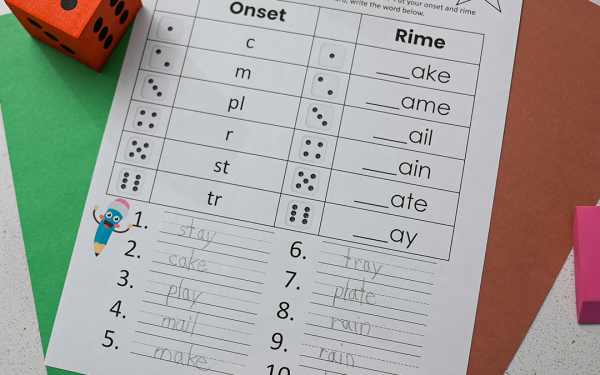
Explore worksheets & printables.