Strategies to Help Your Child or Students Master Short Vowel Sounds
Do your scholars need a little help mastering their short vowel sounds? As students learn to read, it can be tricky to differentiate between phonics rules, especially when it comes to short and long vowel sounds. But don’t worry – we’ve got you covered! 🙌
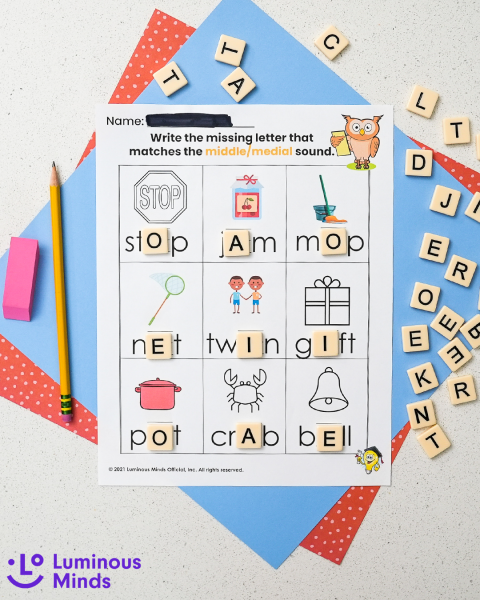
By integrating the strategies below, students can build a solid foundation in understanding short vowel sounds—an essential skill for both reading and writing development.
Phonemic Awareness Activities
Engage your child or students with activities that focus on recognizing and manipulating sounds in words. Rhyming games, segmenting sounds, and blending exercises are fantastic ways to boost phonemic awareness and strengthen their grasp on short vowel sounds. 🎶

Explore Phonological Awareness Video Lessons here and START YOUR FREE TRIAL now. All resources are included with your website subscription.
Visual and Auditory Cues
Incorporate picture cards and objects that begin with short vowel sounds to reinforce learning. You can also use fun songs and chants that emphasize these sounds. Associating sounds with images and melodies helps students make stronger connections. 🎵

Explore printable worksheets & activities here. All resources are included with your website subscription.
Repetitive Practice with CVC Words
Provide plenty of opportunities for your child or students to practice reading and writing consonant-vowel-consonant (CVC) words like cat, bug, and pen. This repetitive practice helps solidify their understanding of short vowels and builds confidence in decoding words. ✍️

Discover our collection of printable activities here.
Word Families & Onset-Rime Practice
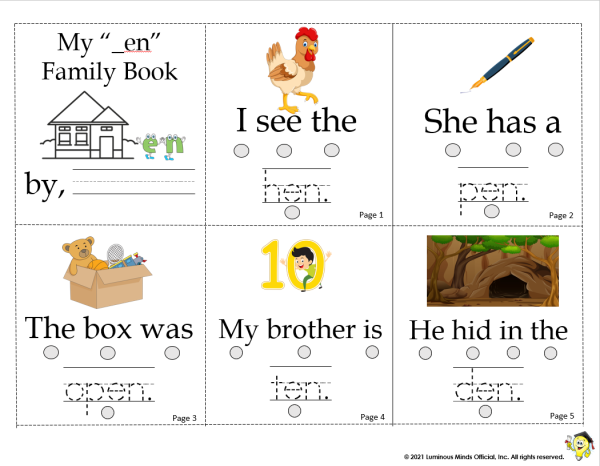
Teach your child or students word families (e.g., _at, _ug, _en) to help them recognize common patterns and make connections between similar words. This strategy aids in decoding and encourages fluency. 🏡
Explore printable worksheets & activities here. All resources are included with your website subscription.