Reading Fluency:
The Bridge Between Word Recognition & Comprehension

As literacy champions, we know that fluency lays the groundwork for confident and proficient readers. But what exactly does fluency look like in the early years when children are using most of their brain power to decode letters, sounds, and read words?
From the magic of repeated readings to the joy of choral performances, we’ve got a treasure trove of fluency-building techniques lined up just for you. So, grab your capes and read below for some tips and tricks to build fluency in your classroom and/or at home.
Access Award-Winning Reading Resources
TEACHING STRATEGIES
Repeated Readings: Encourage students to read the same text multiple times. This practice helps improve accuracy, speed, and expression as students become more familiar with the text.
Echo Reading: Read a sentence or passage aloud (modeling fluency), and then have students echo your reading. This strategy helps students focus on phrasing, rhythm and expression while providing immediate feedback. Make it fun by having the whole class echo first, then take turns between boys echoing, then girls, then anyone wearing blue…you get the drift.
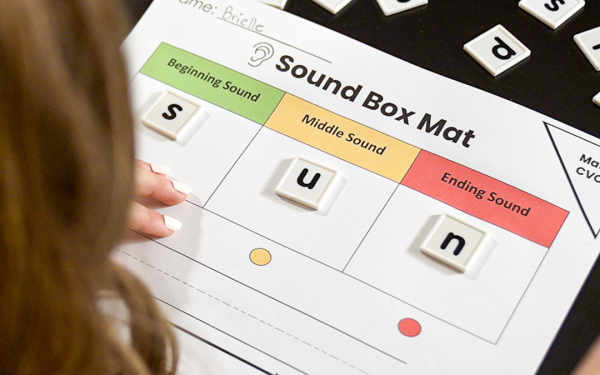
And if you’re practicing echo reading at home, use your creativity! Grab some puppet or animal friends to join in on the fun! Try a microphone, sound box, or practice echo reading with different volumes or levels of voice (did someone say whisper read?).
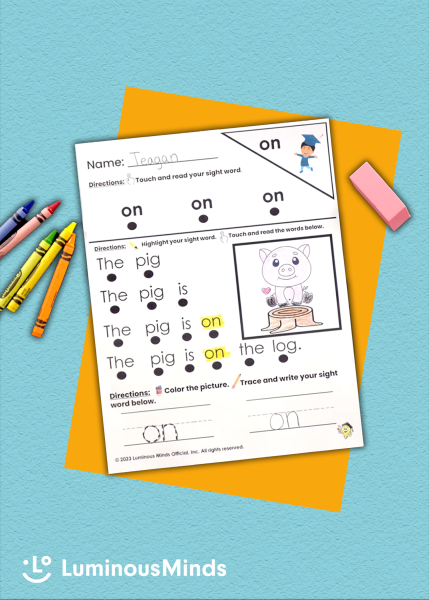
Fluency Grids: ‘Sight Word Fluency Grids’ are a structured practice tool that helps students build automaticity with high-frequency words. The grid presents the same sight words multiple times in different positions, encouraging students to recognize and read them quickly without guessing. This repeated exposure strengthens word recognition and builds confidence in young readers.
When students read words repeatedly in a fluency grid and then apply them in touch-and-read decodable sentences, they reinforce both recognition and meaning. Engaging in this multisensory approach—seeing, touching, and reading—helps solidify the connection between sight words and fluent reading. Over time, this practice supports smoother, more automatic reading, reducing cognitive load and improving overall reading fluency.

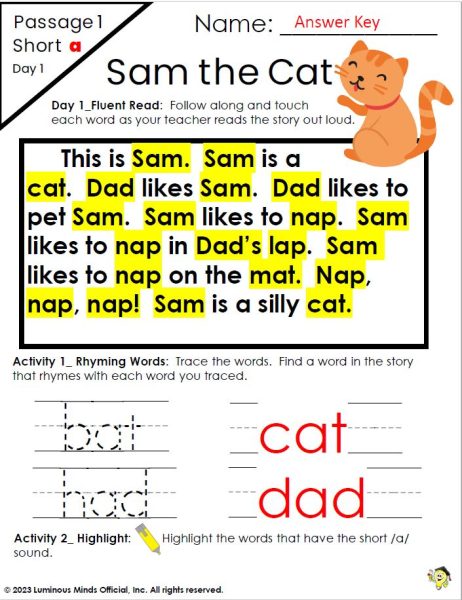
Fluency Passages: Provide students with short, decodable passages specifically designed to target fluency development. These passages should be at an appropriate reading level with decodable text matching phonics skills learned and offer opportunities for repeated practice.